This website provides general lifestyle information only and is not professional or medical advice.

Simple fitness classes without equipment, made for everyday spaces in Australia

Learn practical movement basics you can do at home, in a park, or in a community hall. We cover squats, hinges, pushes, pulls, and core work in a clear step-by-step format.

Continue to contact

Why equipment-free sessions work well

Movement quality loves clarity. When you strip racks and plates away, athletes listen to tempo, joint stacking, and breathing cadence instead of chasing noise from machines. Australian daylight already gifts warm-ups—think calf raises on a porch step, hip hinges beside a garden bed, and crawling drills across cool lawn before lunch.

Coaches across community halls lean on repeating arcs: prepare tissues with easy breathing walks, layer patterns from the ground up, then stitch everything into a flowing circuit that respects neighbourly quiet hours. You still track volume—count controlled repetitions, note perceived exertion in a notebook, and rotate emphasis days so knees and wrists share load kindly.

Sustainable practice means honouring rest as much as exertion. Swap marathon stretches for shorter mobility snacks between Zoom blocks, park farther from the tram stop for an extra brisk minute, or pair playlist swaps with tempo squats so curiosity stays high. Equipment-free does not mean accidental; it invites organisation: lay towels for sliding lunges, mark chalk-free floor lines with painter’s tape for lateral hops, and queue music that mirrors session phases so transitions stay obvious for beginners.

Sharing sessions outdoors also trims idle standby energy—no screens humming beside idle treadmills. Carry a refill bottle, reuse cloth bands sewn from retired tees, and rinse reusable towels instead of burning through disposables. Tiny rituals accumulate into habits locals notice, which keeps groups motivated without leaning on hype language or exaggerated promises.

Think of each masterclass as a recipe: list ingredients (patterns), sequence prep (breathing walks), cook main efforts (circuits), then plate recovery (easy stroll plus jotting notes).

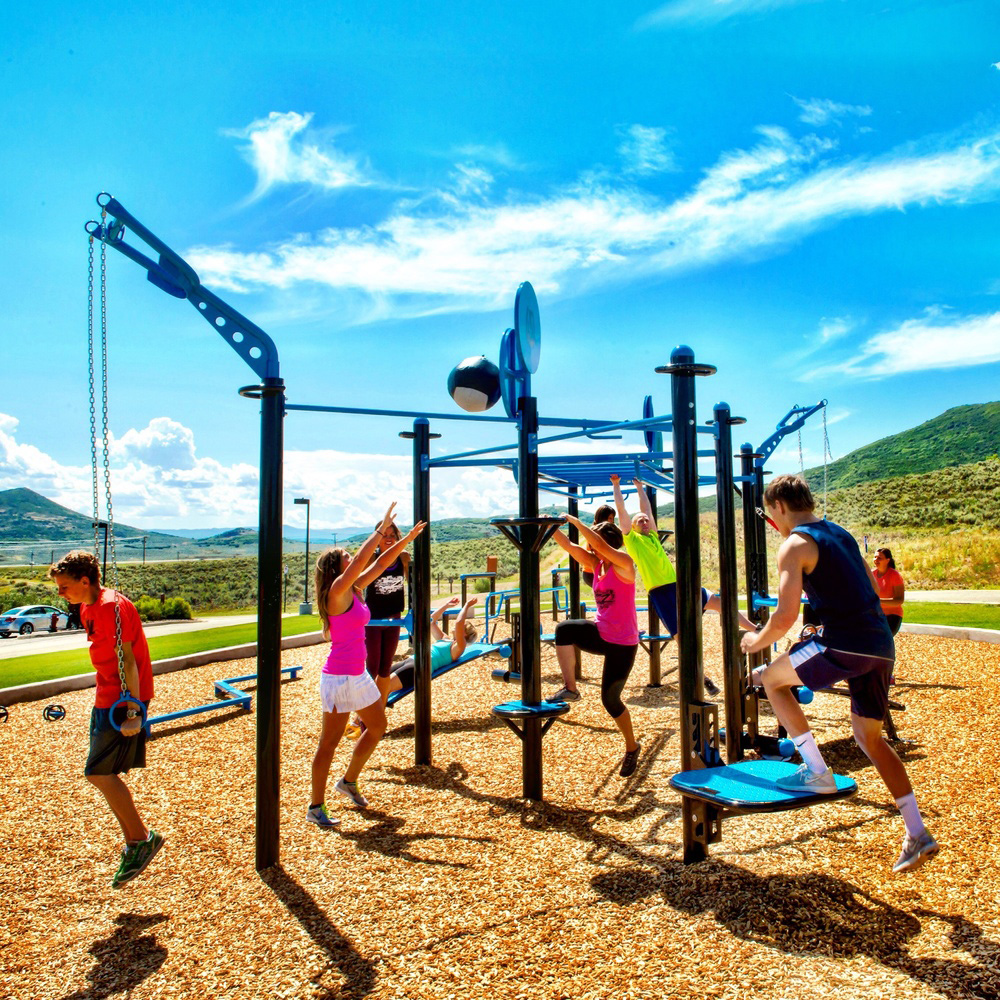
Outdoor movement coaching scene with space for bodyweight drills

Movement focus

Smart workouts without the gear pile

Learn more

Get class details

Bring a refill bottle and a playlist sketch—we’ll map neighbour-friendly rounds that fit verandas, parks, or quiet halls around Preston.

See class options

Pattern stacks you can teach tomorrow

Blend locomotion, strength endurance, and playful agility without plugging anything into the wall. Rotate emphasis every micro-cycle so wrists, ankles, and shoulders experience varied textures while staying within sensible ranges for each participant.

Locomotion ladders

March, skip, and lateral shuffle across two taped lanes. Layer arm swings so thoracic rotation shows up early. Keep ribs stacked over hips and let ankles whisper instead of slap—grass cushions mistakes better than polished tiles on humid afternoons.

Tempo squats

Count a four-second lower, one-second pause, and explode upward without jumping if knees prefer steady floors. Pair with a handheld balance assist such as a fence rail only when someone asks for tactile feedback.

Hip hinges

Teach the long spine reaching toward a fence post, soft knees, hamstrings chatting politely. Follow with staggered deadlifts using bodyweight only; emphasise breath resets between reps so nobody races breathlessness.

Push-up regressions

Elevate hands on benches for longer levers, drop knees only after mastering ribs-to-pelvis alignment, and sprinkle pauses mid-range to spotlight scapular glide without puffing chest cues into rigid shapes.

  • Open with nasal breathing walks plus shoulder rolls for eight minutes.
  • Teach one pattern slowly, then repeat with mirrored coaching phrases.
  • Layer a circuit of three stations for fifteen minutes with soft timers.
  • Close with barefoot calf pumps and a gratitude jot inside shared notebooks.

Health & safety guidelines

Outdoor classrooms inherit shifting surfaces, curious dogs, and sudden drizzle. Layer predictable rituals so everyone knows how to adjust footwear, widen spacing, or pause audio cues without confusion.

  • Carry electrolyte-friendly water for warm afternoons; schedule shaded breaks every twenty minutes when UV spikes.
  • Dress in breathable layers participants can peel quickly; stash dry socks for dew-heavy lawns around Preston parks at sunrise.
  • Siren-aware pause: when emergency vehicles approach, freeze drills, step aside, resume only after lanes clear.
  • Inspect communal benches for splinters before pressing sessions; carry sandpaper strips in a reusables pouch.
  • Use buddy checks before inverted drills so elbows stay tracked and heads remain visible.
  • Keep a basic kit with compression wraps and saline wash; share location pins with newcomers before roaming farther than one block.

Coaching voices stay observational: invite participants to notice stiffness or ease without diagnosing anything. Encourage folks to chat with a qualified professional whenever training intersects with complex questions beyond general lifestyle education.

Weekly rhythm for curious crews

Monday anchors locomotion literacy—travel short distances with exaggerated arm swings so ribs stay quiet. Wednesday spotlights strength endurance through alternating split squat holds and plank reaches timed with gentle playlists. Friday closes with playful agility: lateral hops over chalk lines, reactive catches using rolled towels, and mirrored coaching duets so laughter stays honest.

Weekend homework stays optional yet tactile: journal two sensations after each stroll, photograph cloud formations during cooldown breathing, or sketch floor maps for next week’s circuit rotation. These micro-assignments keep brains engaged without implying rigid outcomes; they simply deepen attendance because stories emerge when people compare sketches over tea.

Coaches rotate leadership weekly so vocal cords recover and leadership muscles diversify. Pair seasoned guides with newer voices via whisper-sidekick cues—one counts tempo, the other watches spinal alignment. Rotate playlist duties too; fresh genres reduce auditory fatigue and invite cultural sharing without turning sessions into performances.

Breath-led warm-ups Circuit swaps Outdoor acoustics Shared journaling

Events calendar

Timings follow Australian Eastern Standard/Daylight conventions; verify before travelling because community permits occasionally shift shared lawns around Preston.

Date Focus Location theme Notes
Fri 10 Jul 2026 Squat literacy intensive Shaded pocket park Bring towel mats; barefoot optional
Sat 18 Jul 2026 Hinge & carry flows Riverside promenade Quiet headphones encouraged for guided tempo
Fri 24 Jul 2026 Agility playground lab Fenced sports oval Kids welcome as spectators only
Sat 1 Aug 2026 Coach-the-coach circle Community hall veranda Open mic debrief; herbal tea provided

Check calendar availability

FAQs

Straight answers about logistics, footwear, and how we talk about effort without leaning on dodgy hype.

Do I need shoes?

Shoes stay optional on dry grass; choose grippy soles when dew lingers or when councils hose pavements overnight. Socks-only drills belong on yoga mats you carry from home so hygiene stays neighbour-friendly.

How loud are outdoor sessions?

We coach at conversational volume, swap whistles for hand claps, and rotate drill orientation so sound aimed toward open fields rather than apartment balconies.

What if it rains?

Drizzle keeps us moving with brimmed hats; steady rain shifts everyone beneath a rotunda or postpones via SMS threads announced at the start of each month.

Can beginners join mid-month?

Yes—anchors revisit foundational tempo weekly, and buddies pair automatically during pairing drills so nobody guesses alignment alone.

Eco training habits that honour Country

Training lightly on the land means carrying reusables, sticking to marked paths, and thanking Traditional Custodians verbally before silent warm-ups when gatherings occur on recognised gathering places. Leave bluetooth speakers at modest volumes so birdlife keeps chatting; pick up stray rubbish even when it is not yours because stewardship spreads faster than pamphlets.

Transport blends nicely with workouts: cycle to the oval and use bike racks as anchor points for calf stretches; tram commuters hop off one stop early for brisk incline walks that prime ankles for hopping drills later. Car pools stay organised via shared spreadsheets so fuel use drops without anyone feeling stranded after evening sessions.

Clothing swaps extend garment life—host a quarterly locker trade where gently used tanks find new shoulders. Document repairs instead of tossing frayed hems; celebrate stitched logos as badges of continuity rather than disposable fashion cycles tied to seasonal marketing.

Low-waste hydration

Freeze citrus wedges inside bottles overnight so meltwater flavours plain water without sugary powders.

Gear loops

Turn retired climbing slings into stretching straps after strength-testing knots monthly.

Keep exploring without clutter

Dive into patterned workouts, printable-style blueprints, and sensory labs that tune spatial awareness. Each page layers diagrams described in words so screen readers stay welcome.

Systems library

Understand sequencing rules for hinges, pushes, and locomotion stacks.

Open workout systems

This website provides general lifestyle information only and is not professional or medical advice; speak with a qualified practitioner for personalised guidance.
Advertising transparency: we provide educational content and class information. We do not promise specific outcomes, and results vary by schedule, consistency, and individual context.
AI transparency notice: some illustrative images may be AI-generated or AI-enhanced, and any chat-based guidance (where available) may be AI-assisted. Please verify important details with a human contact.